
Wind vs Solar Energy: A Powerful Alternative to Portable Solar Panels
When it comes to powering your devices while camping or on the road, portable energy solutions are a must-have. While portable solar panels have long been a popular choice and a head-start with technology, small wind turbine chargers are quickly emerging as a compelling alternative when considering wind vs solar energy.

Unlike solar panels, which rely on direct sunlight to generate power, small wind turbines can harness energy from the wind at any time of day or night.
This makes them a more reliable option, especially in areas with variable weather or limited sun exposure.
Wind vs. Solar Energy: Peak Daily Times
The graph below compares the average hourly collection of energy between wind and solar in California over one year. It shows that wind energy is generated more consistently and for more hours of the day than its’ solar counterpart. Since wind is not reliant on the presence of sunlight, wind chargers can work efficiently any time of day, as long as the wind is blowing at least 8 mph (13 kph).

One of the key advantages of small wind turbine chargers is their ability to generate power even when the sun isn’t shining. This is particularly useful for activities like camping or RVing, where you may need to power your devices at all hours.
With a wind turbine, you can keep your phones, laptops, and other electronics charged regardless of the weather.
The Shine Turbine wind charger is a perfect example of a small, portable wind charger that is lightweight and very efficient – whether the sun is out, or not.
Additionally, wind turbines tend to be more compact and lightweight than bulky solar panel setups, making them easier to transport and set up. This added convenience can be a game-changer for outdoor enthusiasts who value portability and flexibility.
Why Wind Energy Beats Solar
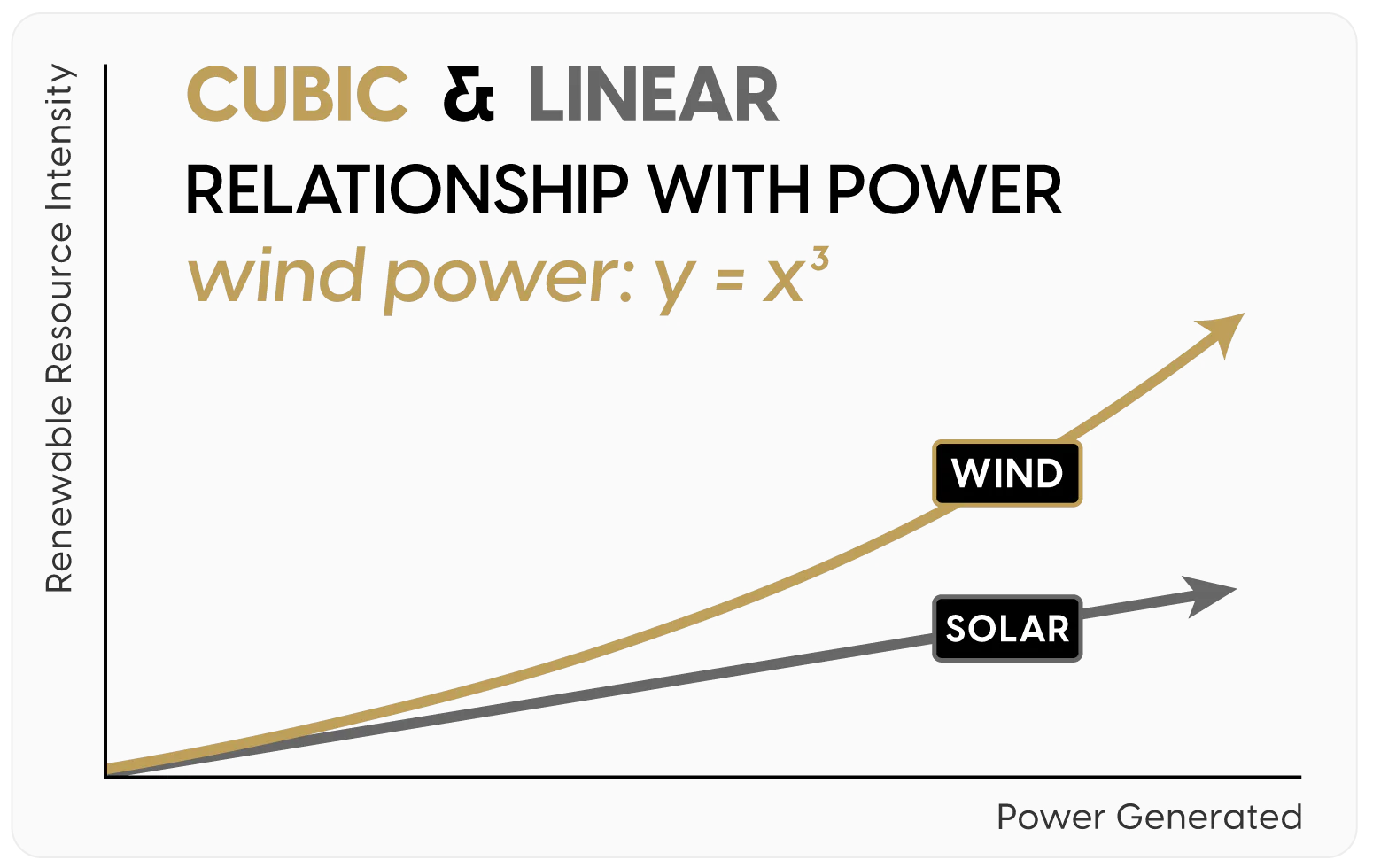
Wind has been scientifically proven to generate energy faster than solar. The reason is, wind has a cubic relationship with power. When wind speeds double, its’ power output increases by an impressive 8x. When we compare this to solar, the relationship is linear with power.
Best Source of Energy for the Environment?
Wind has been proven to be a more efficient power source than solar. Scientists have concluded that wind turbines, large or small, release less CO2 into our atmosphere. Wind turbines produce 4.64 grams of CO2/1kWh compared to solar panels that produce 70 grams of CO2/1kWh.
Wind power has the advantage of both consuming less energy as a whole – making them better for the environment – while also producing more energy than solar panels.
The Obvious Choice
While both solar panels and wind turbines have their place in the world of portable power, small wind turbine chargers offer a unique set of benefits that make them a smart choice when considering wind vs solar energy.

Where solar energy devices may be a good option for residential installations where there may be a lack of space and airflow, portable wind chargers are certainly the best choice for mobile and remote applications, like:
- Camping
- Hiking
- And RV trips
Wind chargers are not affected by the time of day, cloudy skies or rainy days. This is one of the most overwhelming advantages to wind when we consider wind vs solar energy.
Additionally, when we consider wind vs solar energy, wind chargers are typically more compact and lightweight than equivalent solar panel setups, making them easier to transport and set up in various locations.
Wind turbines also tend to have a higher energy output per square foot compared to solar panels, which can be advantageous in situations where space is limited.
They are also less susceptible to damage from environmental factors such as hail or falling debris, which can impact the efficiency of solar panels.
As technology continues to evolve, we can expect to see even more innovative and efficient wind-powered solutions emerge in the years to come.